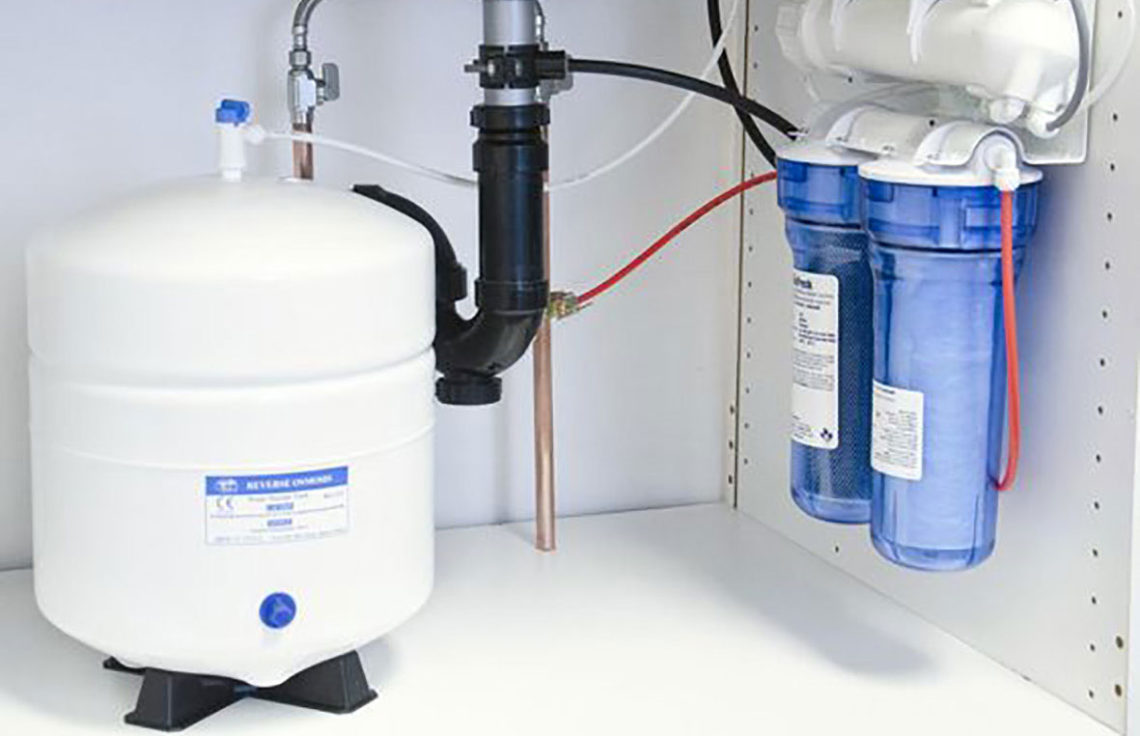
Reverse osmosis filters have become increasingly popular in recent years as people become more aware of the importance of clean drinking water. These filters use a semi-permeable membrane to remove impurities from water, providing a cost-effective and efficient solution for purifying tap water. In this blog post, we will explore the benefits of reverse osmosis filters and why you should consider using them in your home.
- Removal of Contaminants
Reverse osmosis filters use a multi-stage filtration process to remove impurities from water, including lead, chlorine, arsenic, fluoride, and other harmful substances. These filters can also remove bacteria and viruses, making it safe to drink from virtually any source. This is especially important for individuals living in areas with contaminated water supplies or those who rely on well water.
- Improved Taste and Odor
Many impurities in water can affect its taste and odor, making it unpleasant to drink. Reverse osmosis filters remove these impurities, resulting in clean and refreshing drinking water. The improved taste and odor of water can encourage individuals to drink more water, which is essential for maintaining good health.
- Cost-Effective
Using a reverse osmosis filter is a cost-effective way to provide clean drinking water for your family. Bottled water can be expensive, and using a filter pitcher may not be as effective as a reverse osmosis filter. Investing in a reverse osmosis filter can save you money in the long run, as you will not need to purchase bottled water or expensive filter pitchers.
- Environmentally Friendly
Using a reverse osmosis filter is also environmentally friendly. Bottled water produces a significant amount of plastic waste, which can take hundreds of years to decompose. A reverse osmosis filter can help reduce plastic waste by providing clean drinking water without the need for plastic bottles.
- Easy to Maintain
Maintaining a Reverse osmosis filters is relatively easy. The filter needs to be changed periodically, depending on the amount of water filtered and the quality of the water. Most filters need to be changed every 6-12 months, and the process is simple and straightforward. You can easily replace the filter yourself, or you can hire a professional to do it for you.
